
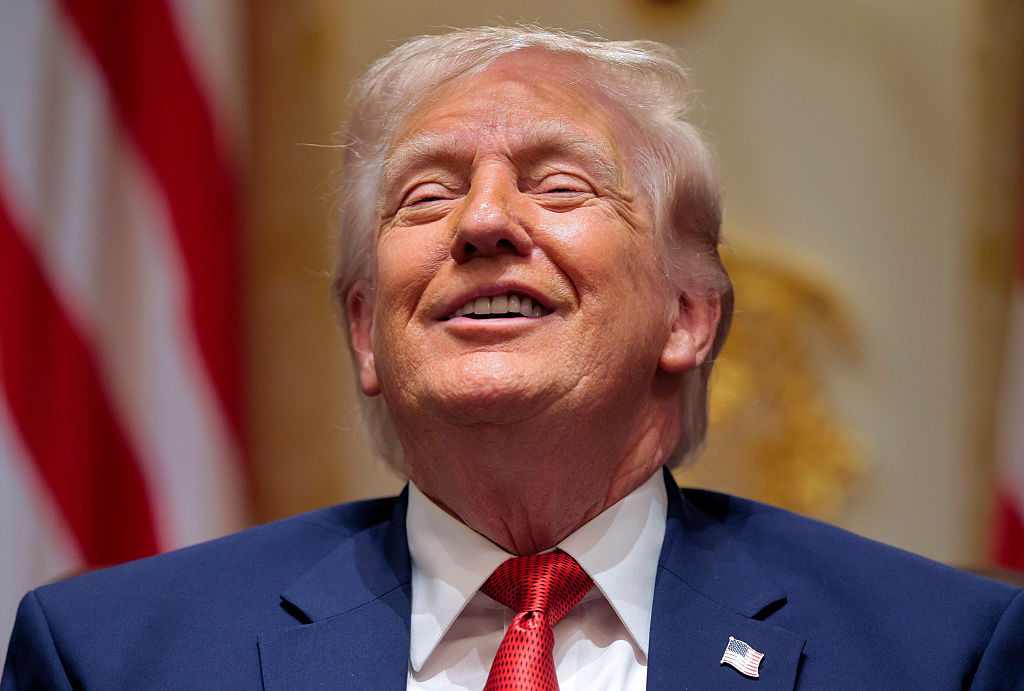
Donald Trump’s name is appearing on a growing list of public places, government-linked institutions, proposals, and symbolic projects after Florida moved to rename Palm Beach International Airport in his honor. The airport, located near Trump’s Mar-a-Lago residence, is set to become President Donald J. Trump International Airport after Governor Ron DeSantis signed the legislation. Supporters say the move recognizes Trump’s connection to Florida, while critics argue the growing number of Trump-linked renamings reflects a political branding campaign that has gone too far.
Palm Beach Airport Renaming Puts Trump’s Name Back in Headlines
Palm Beach International Airport is set to be renamed President Donald J. Trump International Airport after Florida Governor Ron DeSantis signed the bill approving the change. The new name is expected to take effect on July 1, 2026, though airport and aviation-related changes may also require coordination with federal authorities.
The airport is closely tied to Trump’s public image because it serves the area near Mar-a-Lago, his Palm Beach estate and political base. For supporters, that local connection makes the renaming feel natural.
The legislation was backed by Florida Republicans, with supporters describing Trump as one of the state’s most important political figures. They argued that naming the airport after him recognizes his influence and his relationship with Palm Beach.
Critics saw the move differently. Some Democrats and local opponents called it excessive, expensive, and politically motivated. Reports also noted concerns about costs tied to signage, branding, maps, systems, and airport materials.
The airport renaming quickly became part of a bigger national conversation because it is not the only recent effort to place Trump’s name on major public spaces.
Why Are So Many Things Being Named After Trump?
Many things are being named or proposed to be named after Trump because his supporters see him as a historic political figure deserving public recognition. Critics argue the trend reflects personal branding being placed onto public institutions.
Trump has always been closely associated with his own name as a brand. Long before politics, his name appeared on hotels, towers, casinos, golf courses, products, and entertainment projects.
That branding style has followed him into politics. During his second term, several institutions, projects, and proposals have involved adding Trump’s name or image to public-facing spaces.
Supporters say presidents are often honored through buildings, highways, airports, schools, libraries, and other public landmarks. They point out that many American presidents have had airports or major facilities named after them.
Critics respond that timing and scale matter. They argue that renaming active public institutions while Trump is still in power raises questions about political loyalty, government branding, and whether public spaces should be used to honor a sitting president so aggressively.
The airport move became especially controversial because it came alongside other Trump-linked naming efforts, making the list feel larger and more coordinated.
What Else Has Been Named or Proposed After Trump?
The growing list includes Palm Beach International Airport, Trump-linked changes at federal institutions, proposed airport code changes, government programs, and symbolic displays. Some moves have already happened, while others remain proposals or face legal questions.
Reports have described Trump’s name being added to the Kennedy Center’s branding after changes to its leadership structure. The center has long been officially tied to President John F. Kennedy, so any Trump-related renaming or rebranding drew immediate legal and political scrutiny.
Trump’s name has also appeared in connection with the U.S. Institute of Peace headquarters after the administration moved against the institute’s board and operations. That change became controversial because of ongoing legal and institutional disputes.
There have also been discussions around Navy vessels, federal building banners, currency-related branding for America’s 250th anniversary, and other symbolic uses of Trump’s name or image.
Some proposals have gone even further. Reports said there have been efforts or discussions involving airport naming, transportation hubs, and other high-profile public spaces.
Not every idea has become official policy. Some are proposals, some are symbolic, and some are likely to face legal or administrative barriers.
Why the Airport Code “DJT” Became Part of the Debate
The airport code debate became part of the story because some supporters want Palm Beach International Airport’s identifier changed from PBI to DJT. Those initials match Donald J. Trump and would make the branding even more direct.
Airport codes are not changed casually. They are used across booking systems, baggage handling, aviation communication, maps, tickets, apps, and travel databases.
Changing a name is one step. Changing an airport code can involve broader coordination and may affect travelers, airlines, and airport operations.
That is why the DJT discussion has attracted attention. It is not only symbolic. It could affect how the airport appears in everyday travel systems.
For supporters, DJT would be a powerful branding match. For critics, it would make the renaming feel even more like a personal tribute than a civic honor.
The code debate shows how a name change can become more complicated once it moves from politics into infrastructure.
Trump Presidential Library Plans Add to the Branding Push
Trump’s planned presidential library has also added to the conversation because it is expected to become another major public-facing symbol of his name and legacy. The proposed Miami project has been described as a dramatic skyscraper-style building with bold Trump-themed design elements.
Reports said the planned library site involves land in downtown Miami connected to Miami Dade College. Renderings showed features such as a replica Oval Office, a presidential aircraft display, a gold escalator, rooftop gardens, and a statue of Trump.
Presidential libraries are normal for former presidents. They preserve documents, exhibits, historical materials, and public memory around an administration.
What makes this project stand out is its style. The reported design appears to lean heavily into Trump’s personal brand, luxury aesthetics, and political imagery.
Supporters may see that as fitting. Trump’s image has always been large, visual, and unmistakably branded.
Critics argue the design looks more like a monument to Trump than a traditional presidential archive. That debate mirrors the larger argument around the airport and other naming moves.
Why Critics Say the Renaming Trend Is Controversial
Critics say the renaming trend is controversial because public institutions are supposed to represent civic history, not personal political branding. They argue that placing Trump’s name on airports, buildings, and institutions while he remains politically active blurs the line between public honor and political promotion.
Some opponents have also raised legal concerns. Certain institutions have official names set by law, meaning changing them may require congressional approval or other formal action.
Cost is another concern. Renaming an airport or public building can require new signs, maps, websites, documents, security materials, branding updates, and coordination across government and private systems.
There is also the question of precedent. If one president’s supporters rename public assets during his term, future administrations may do the same, turning civic spaces into political trophies.
Trump’s defenders see those complaints as partisan. They argue that Democratic and Republican presidents alike have been honored with buildings, airports, highways, schools, and monuments.
The core disagreement is not whether presidents can be honored. It is when, how often, and through what kind of public process.
Why Supporters Defend the Trump Name Changes
Supporters defend the Trump name changes by saying Trump has had a major impact on American politics and deserves recognition. In Florida, backers of the airport renaming point to his long connection to Palm Beach, his residence at Mar-a-Lago, and his strong support in the state.
They also argue that naming airports after presidents is not unusual. Ronald Reagan Washington National Airport and George Bush Intercontinental Airport are often cited as examples of presidential names on major travel hubs.
For Trump supporters, the airport renaming is a matter of pride. They see him as a historic figure whose name should be attached to important places.
Some also believe the criticism is driven by Trump opposition rather than fair concern. They argue that if a different president were being honored, the reaction would be less intense.
The defense is simple: Trump is a president, Florida is central to his political story, and supporters believe his name belongs on major landmarks.
That argument continues to energize his base, even as critics push back.
Key Takeaways
- Palm Beach International Airport is set to be renamed President Donald J. Trump International Airport.
- The change is scheduled to take effect on July 1, 2026, after Florida Governor Ron DeSantis signed the bill.
- Supporters say the airport renaming honors Trump’s connection to Florida and his political legacy.
- Critics argue the growing list of Trump-linked renamings feels excessive, costly, and politically self-serving.
- Other Trump-related naming debates have involved federal institutions, public buildings, airport code proposals, and his planned presidential library.
The growing list of Trump name changes shows how deeply his political identity and personal brand are now tied to public spaces, sparking a debate over honor, loyalty, cost, and civic tradition.