
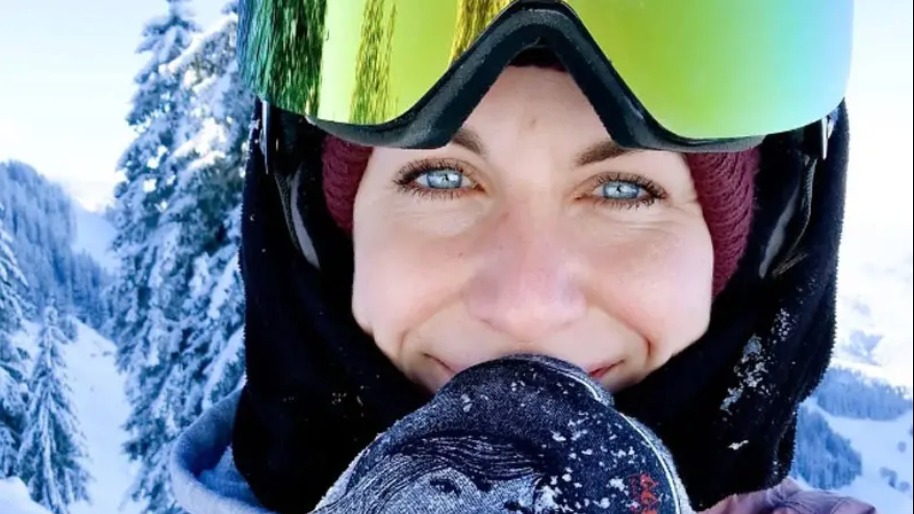
An Austrian climber has been convicted of gross negligent manslaughter after leaving his girlfriend behind near the summit of Austria’s highest mountain during a freezing winter climb. Thomas Plamberger, 37, was found guilty by a court in Innsbruck after his girlfriend, 33-year-old Kerstin Gurtner, lost her life from hypothermia on Großglockner in January 2025. The rare mountain-sports case has sparked debate across climbing communities because it raises a difficult question: when does a tragic outdoor accident become a criminal failure of responsibility?
Climber Found Guilty After Großglockner Tragedy
Thomas Plamberger was convicted after a one-day trial focused on whether he failed to act responsibly during a dangerous climb with his girlfriend. The court found that his decisions before and during the climb contributed to the fatal outcome.
Plamberger, a chef from Salzburg, was given a five-month suspended sentence and ordered to pay a fine of about €9,600. The verdict can still be appealed, meaning the legal process may not be fully finished.
The climb took place on Großglockner, Austria’s highest mountain, which rises to 3,798 meters. Winter conditions on the mountain can be brutal, especially for climbers who fall behind schedule or become exposed after dark.
Kerstin Gurtner became exhausted and severely cold close to the summit. Reports said she was around 50 meters below the top when the situation became critical.
Plamberger said he left her to seek help. The court accepted that he did not act with malice, but ruled that he made serious errors that a more experienced climber should have avoided.
What Happened During the Mountain Climb?
The couple attempted the Großglockner climb in January 2025, during freezing winter conditions. As the day went on, they fell behind schedule and faced worsening weather, darkness, and exhaustion.
Prosecutors said Gurtner was not properly equipped for the conditions and did not have the same level of mountain experience as Plamberger. They argued that he should have recognized earlier that she was struggling and turned back before the situation became dangerous.
By the time they were near the summit, Gurtner was reportedly exhausted, disoriented, and suffering from hypothermia. Plamberger later said he secured her to a rock with a sling before leaving to get help.
Rescue attempts were complicated by the weather and darkness. A police officer had earlier spoken to Plamberger by phone and reportedly advised the couple to keep moving, but communication later broke down.
When rescue teams later recovered Gurtner, emergency items including an emergency blanket and bivouac bag were reportedly still unused in her backpack.
That detail became one of the most important parts of the case because prosecutors argued that those items might have helped protect her from the extreme cold.
Why Did the Court Say He Was Responsible?
The court said Plamberger had a responsibility because he was the more experienced climber and had effectively become the leader of the tour. Judge Norbert Hofer ruled that Plamberger should have understood that Gurtner’s skills and equipment were not enough for the climb.
The judge made clear that he did not see Plamberger as cruel or intentionally harmful. However, he said the situation involved serious negligence because Plamberger failed to make safer decisions when warning signs appeared.
Prosecutors argued that mistakes began before the final crisis. They pointed to poor planning, wrong equipment choices, winter weather risks, and a failure to turn back earlier.
Smartwatch data from both climbers was also discussed in court. The data reportedly showed a decline in physical performance before the situation became life-threatening.
The court concluded that Plamberger reacted too late. Instead of calling emergency services early or stopping the climb, he continued until both climbers were in danger.
That finding made the case especially important for the climbing world. It suggests that informal leadership and experience can create legal responsibility, even when climbers are not official guides.
Defendant Said He Was Endlessly Sorry
Plamberger pleaded not guilty and told the court he was “endlessly sorry” for what happened. He said he loved Gurtner and never wanted harm to come to her.
His defense argued that the couple made decisions together and that he was not acting as her professional mountain guide. His lawyer said Plamberger had no formal mountaineering qualification and that the climb should not be treated as if he were legally responsible for every decision.
Plamberger also said he himself was suffering from hypothermia and exhaustion when he decided to leave Gurtner to seek help. He claimed his judgment was affected by the extreme conditions.
He reportedly said Gurtner told him to go and that her words may have saved his life. The judge, however, questioned parts of that version and found some details difficult to believe.
Gurtner’s mother reportedly supported the idea that her daughter was strong-willed and not someone who would blindly follow another person. That added emotional complexity to the case because even the victim’s family did not present the situation in a simple way.
Still, the court found that Plamberger’s greater experience created a higher duty of care.
Evidence That Shaped the Verdict
Several pieces of evidence shaped the verdict, including smartwatch data, rescue communications, equipment details, witness testimony, and webcam footage from the mountain.
The smartwatch data was especially important because it gave the court a timeline of physical decline. Prosecutors used it to argue that the danger signs appeared before the final emergency.
A police officer also testified about a phone call with Plamberger. During that call, Plamberger reportedly said the couple did not need anything and that everything was fine, even though concerns had already been raised.
Emergency equipment became another key point. Gurtner had items that could have helped protect her from the cold, but they were reportedly not used before she was left behind.
A former girlfriend of Plamberger also testified that he had left her alone during a previous climb on the same mountain after her head torch failed. That testimony added to concerns about his decision-making during mountain emergencies.
The court was also shown footage of the couple climbing and Plamberger later descending alone. Together, these details helped the judge conclude that the tragedy was not simply an unavoidable accident.
Why the Case Matters to Climbers
The case matters to climbers because prosecutions over mountain accidents are extremely rare. Outdoor sports involve risk, and courts usually avoid treating every bad decision in dangerous terrain as a crime.
This case was different because prosecutors argued that Plamberger had a clear leadership role and failed to act when safer options were still available.
For mountain communities, that raises difficult questions. If a more experienced climber invites or leads someone less skilled into dangerous conditions, how much responsibility do they carry?
The verdict suggests that experience can matter legally, even without an official guide license. If one person is clearly stronger, more skilled, and more knowledgeable, a court may view them as having a duty to protect the weaker partner.
Some climbers may worry this could create legal uncertainty for private trips. Others may see it as a necessary reminder that mountain decisions can have life-changing consequences.
The ruling may influence how climbers think about planning, partner choice, equipment, turnaround times, and emergency calls.
Safety Lessons From the Großglockner Case
The Großglockner case offers several safety lessons for anyone entering high mountains. The first is that turning back early is often the safest decision, even when the summit is close.
Many mountain accidents happen because climbers push forward after falling behind schedule. A summit can feel reachable, but darkness, cold, fatigue, and weather can change everything quickly.
The second lesson is that equipment only helps if it is used. Emergency blankets, bivouac bags, spare layers, head torches, and communication devices should be easy to access and used before the situation becomes desperate.
The third lesson is that calling for help early can save lives. Many climbers wait too long because they hope conditions will improve or fear embarrassment. In extreme cold, delay can be critical.
Climbers should also be honest about differences in skill. A strong climber may feel comfortable on terrain that is overwhelming for a less experienced partner.
The mountain does not care how close someone is to the summit. Safe descent is always more important than reaching the top.
Key Takeaways
- Austrian climber Thomas Plamberger was convicted of gross negligent manslaughter after the fatal Großglockner climb.
- His girlfriend, Kerstin Gurtner, suffered hypothermia near the summit in January 2025.
- The court found that Plamberger was the more experienced climber and had a responsibility to make safer decisions.
- Evidence included smartwatch data, rescue communications, unused emergency equipment, and witness testimony.
- The rare verdict may influence how climbers think about responsibility, planning, and leadership in mountain sports.
The Großglockner case is a painful reminder that in extreme mountains, experience does not only bring confidence. It can also bring responsibility when another person’s safety depends on your decisions.